

How Energy-Efficient Windows Help Keep Fall Heating Costs Down
September 10, 2026 7:21 pmFall in New Hope, MN can shift quickly from mild afternoons to chilly nights, and that temperature swing often makes drafty or inefficient windows much easier to notice. If certain rooms feel colder near the glass or your heating system seems to run more often as temperatures fall, your windows may be allowing valuable indoor heat to escape.
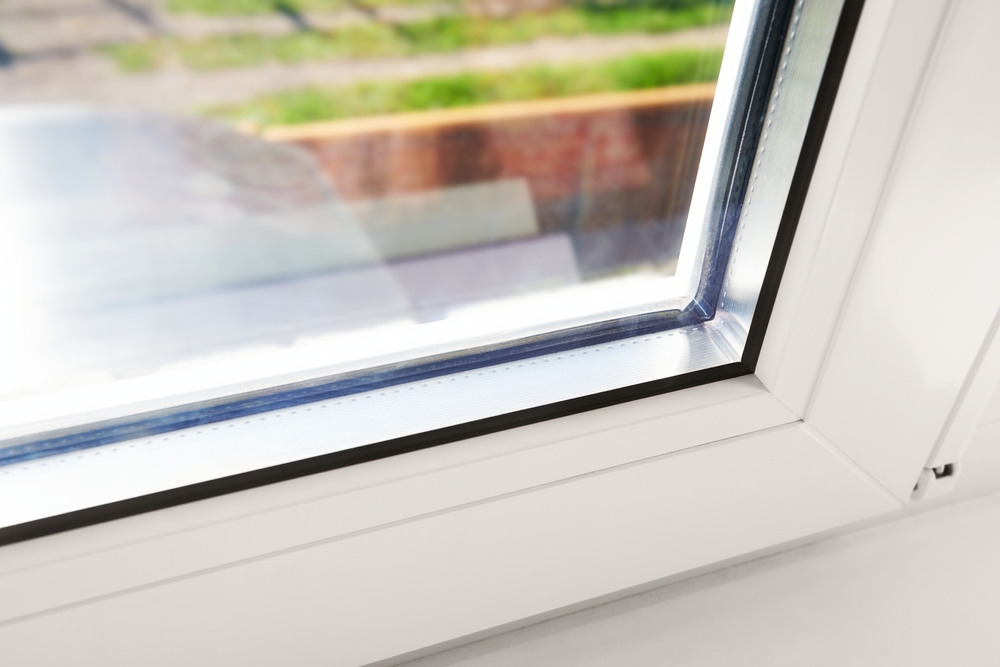
Energy-efficient windows help reduce fall heating costs by slowing heat transfer, limiting drafts, and creating a more consistent indoor temperature. In Minnesota homes, features such as insulated glass, low-emissivity coatings, proper weather sealing, and well-installed frames can reduce the amount of heated indoor air lost through window areas. The result can be a more comfortable home with less demand placed on the heating system as colder weather arrives.
What local homeowners should know
-
Energy-efficient windows help reduce heat loss during the long heating season common throughout the Twin Cities.
-
Cold fall nights in New Hope can make worn seals, aging glass, and poorly insulated window assemblies more noticeable.
-
Double-pane or other insulated glass units provide a stronger thermal barrier than many older single-pane windows.
-
Window efficiency depends on more than the glass because frames, seals, installation quality, and overall window condition also affect performance.
-
Addressing window problems before winter can help homeowners avoid dealing with uncomfortable drafts when temperatures are significantly colder.
Why Energy-Efficient Windows Matter in New Hope
Energy-efficient windows matter in New Hope because local homes face a substantial seasonal transition from warm summer weather to freezing winter conditions, making heat retention especially valuable during fall. Improving the thermal performance of windows can reduce drafts, improve room-to-room comfort, and help the heating system maintain indoor temperatures more efficiently.
Homes throughout Hennepin County experience months of cold weather each year. By October and November, homeowners around New Hope, Crystal, Plymouth, Golden Valley, and Robbinsdale may already be relying regularly on furnaces or other heating systems.
Window performance becomes especially noticeable in older houses or properties with aging glass and seals. A room that felt comfortable during summer can suddenly develop a cold zone near a window once outdoor temperatures begin dropping.
At Custom Glass & Screen, we help local property owners address glass and window-related problems that can affect comfort, appearance, and efficiency. When evaluating a window problem, we look at the condition of the glass and related components so homeowners can better understand their options.
What Minnesota Climate Conditions Tell Us About Window Efficiency
Minnesota’s cold climate makes reducing heat loss through windows particularly useful because homes experience a long heating season and significant differences between indoor and outdoor temperatures. The National Weather Service documents the Twin Cities region’s cold winters and seasonal temperature swings, conditions that can expose weak window seals and poorly insulated glass.
The greater Minneapolis-Saint Paul area routinely experiences temperatures below freezing during winter. Even before the coldest part of the year arrives, fall nights can create a noticeable temperature difference across window glass.
That difference matters because heat naturally moves toward colder areas. Older glass, damaged seals, air leaks, and inefficient window assemblies can allow indoor warmth to escape more readily.
For homeowners, fall is therefore a practical time to inspect windows before winter weather makes comfort problems more severe.
How Inefficient Windows Affect Local Homes
Inefficient windows can make New Hope homes feel colder, increase heating demand, and create uneven temperatures around exterior walls. Even when the furnace is operating correctly, heat loss around windows can make a room feel uncomfortable and cause homeowners to raise the thermostat to compensate.
The problem is often most noticeable in bedrooms, living rooms, finished basements, and additions with several exterior windows. Homes near Medicine Lake, Bassett Creek Park, or other open areas may also feel especially exposed during windy fall weather.
A cold window does not automatically mean the entire unit needs replacement. The condition of the glass, seals, frame, weatherstripping, and installation all matter.
Identifying the actual source of the problem can help homeowners avoid replacing more than necessary.
What Are the Warning Signs of an Inefficient Window?
Common warning signs of inefficient windows include drafts, cold glass, condensation between panes, deteriorated seals, and noticeable temperature differences near the window. New Hope homeowners who notice these problems during fall should inspect them before colder winter temperatures arrive.
Watch for:
-
A noticeable draft around the perimeter of a closed window.
-
Rooms that consistently feel colder near exterior windows.
-
Fog or condensation trapped between panes of insulated glass.
-
Cracked, chipped, or damaged window glass.
-
Failed or deteriorated seals around the glass.
-
Frost developing unusually easily around interior window surfaces.
-
A heating system that seems to run more frequently in rooms with older windows.
-
Visible gaps or deterioration around the window assembly.
Some condensation on the room-facing surface of glass can result from indoor humidity and does not necessarily indicate window failure. Moisture trapped between panes, however, can indicate a failed insulated glass seal.
When Should You Call a Window or Glass Professional?
You should call a professional when a window has damaged glass, persistent drafts, condensation between panes, failed insulated glass, or another problem that cannot be corrected with simple cleaning or basic weatherstripping. Professional evaluation can help determine whether the glass, seal, or larger window assembly needs attention.
Homeowners can safely perform simple checks such as looking for visible gaps, checking locks and latches, and feeling for drafts around closed windows.
Glass damage and failed insulated units are different. Those problems generally require professional service because the sealed glass assembly itself may need repair or replacement.
Having a problem evaluated during fall can also be more convenient than discovering it during a January cold snap in Hennepin County.
What Commonly Causes Window Heat Loss in New Hope?
The most common causes of window heat loss in New Hope include aging insulated glass, failed seals, air leakage, older window designs, and deterioration around the window opening. Minnesota’s repeated temperature changes can make existing weaknesses more apparent as fall turns into winter.
1. Aging or inefficient glass
Older single-pane glass provides less insulation than modern insulated glass systems. Homes with older windows may therefore experience more noticeable cold transfer.
2. Failed insulated glass seals
Insulated glass units rely on sealed spaces between panes. When the seal fails, moisture may enter between the panes and the unit may no longer perform as intended.
3. Air leaks around the window
Drafts can occur around sash edges, frames, trim, or other joints. Small leaks can become obvious when strong northwest winds arrive during colder weather.
4. Damaged glass
Cracks or other damage can compromise the window and should be evaluated rather than ignored.
5. Aging window components
Weatherstripping, caulking, hardware, and other components can deteriorate over time, especially on older homes throughout the western Twin Cities suburbs.
How Can Homeowners Prepare Windows for Fall?
Homeowners can prepare windows for fall by inspecting glass and seals, checking for drafts, cleaning tracks, confirming that windows close securely, and addressing damaged components before freezing temperatures become routine. These simple checks can help catch problems while conditions are still manageable.
Walk through your home on a cool or windy day and pay attention to how the areas around windows feel. Look closely for fogging between panes, damaged seals, cracks, or gaps.
Make sure operable windows close completely and locks engage correctly. Dirt or debris in tracks can sometimes prevent a window from sealing as tightly as it should.
Weatherstripping or appropriate sealing may help with minor air leakage. However, homeowners should stop at DIY fixes when glass is broken, an insulated unit has failed, or the source of the problem is unclear.
What Results Can Energy-Efficient Window Improvements Provide?
Energy-efficient window improvements can provide better indoor comfort, fewer drafts, more consistent room temperatures, and reduced heat transfer through window areas. The exact impact on heating costs depends on the home’s existing windows, heating system, insulation, air leakage, thermostat habits, and other property-specific factors.
A window upgrade should not be viewed as a guaranteed percentage reduction in a utility bill. Homes differ too much for that kind of promise without a detailed evaluation.
What homeowners can reasonably expect is improved thermal performance when inefficient or failed glass is replaced with a properly selected and installed solution.
That benefit becomes particularly useful during New Hope’s colder months.
What Mistakes Should Homeowners Avoid?
Homeowners should avoid assuming every cold window needs complete replacement, ignoring failed insulated glass, or relying on temporary fixes without identifying the source of the problem. A more targeted approach can help address the actual cause while avoiding unnecessary work.
Mistake: Assuming cold glass automatically means the entire window must be replaced.
Consequence: Homeowners may consider a larger project before determining whether the problem is limited to the glass or another component.
Better approach: Have the window evaluated to determine what has actually failed.
Mistake: Ignoring fogging between glass panes.
Consequence: The visual problem remains, and the insulated glass unit may no longer be performing as intended.
Better approach: Ask whether insulated glass replacement is appropriate.
Mistake: Waiting until the coldest part of winter.
Consequence: Drafts and comfort problems can become much more disruptive during severe Minnesota weather.
Better approach: Inspect windows during late summer or fall.
A Common New Hope Fall Window Scenario
A common New Hope scenario is a homeowner noticing that one room feels noticeably colder once nighttime temperatures begin falling. Standing near the window reveals a cool area, and closer inspection may show fogging between panes or deterioration around the window.
This does not automatically mean every window in the house needs replacement.
A professional evaluation can help determine whether the problem involves the glass, sealing, or another part of the window assembly. From there, the homeowner can make a more informed decision before winter.
What Window and Glass Services Can Help?
Window and glass services can help address damaged panes, failed insulated glass, and other window-related issues that contribute to discomfort or poor performance. The right solution depends on whether the problem is isolated to the glass or involves a larger portion of the window.
For some properties, replacing an insulated glass unit may address a failed seal without requiring an entirely new window. Other situations may involve damaged glass or components that need additional attention.
Our goal is to help property owners understand the condition of their windows and identify an appropriate solution.
Should You Repair the Glass or Replace the Window?
Choosing between glass replacement and complete window replacement depends on which components are damaged and the overall condition of the existing window. If the frame and operating components remain serviceable, a glass-focused solution may sometimes be appropriate, while severely deteriorated window assemblies may require broader replacement.
Glass replacement can make sense when the problem is limited to broken glass or a failed insulated glass unit.
Complete window replacement may be worth considering when multiple components are deteriorated, the frame is damaged, operation is poor, or the existing window no longer meets the homeowner’s needs.
A professional inspection can clarify which option fits the situation.
Where Do We Help Local Property Owners?
We serve homeowners and property owners in New Hope and the surrounding Twin Cities area based on our current service coverage. Nearby communities may include Crystal, Plymouth, Golden Valley, Robbinsdale, and other parts of Hennepin County.
What Can Happen If Inefficient Windows Are Ignored?
Ignoring inefficient or damaged windows can lead to continued drafts, uneven indoor temperatures, unnecessary heating demand, and worsening comfort as Minnesota weather gets colder. Broken glass or failed seals may also become more inconvenient to address once snow, ice, and sustained freezing temperatures arrive.
The goal is not to replace every older window immediately. It is to identify problems that are affecting the home and deal with them before winter magnifies the symptoms.
Fall provides a useful opportunity to make those decisions while outdoor conditions are generally less severe.
Frequently Asked Questions About Energy-Efficient Windows in New Hope
Do energy-efficient windows lower heating costs in New Hope?
Energy-efficient windows can help lower heating demand in New Hope by reducing heat transfer and limiting drafts around window areas. Actual utility savings vary by home because insulation, heating equipment, air leakage, thermostat settings, window size, and existing glass performance all influence total energy use.
Why do my windows feel so cold during a Minnesota fall?
Windows can feel cold during a Minnesota fall because outdoor temperatures drop rapidly while indoor temperatures remain much warmer. Older glass, inefficient glazing, air leaks, or failed insulated glass can increase that sensation. Cold glass alone does not confirm failure, so look for drafts, fogging, damage, or seal problems too.
Does fog between window panes mean the window has failed?
Fog between panes usually indicates that the seal in an insulated glass unit has failed and moisture has entered the sealed space. This is different from ordinary condensation on the interior surface of the glass. A professional can determine whether the insulated glass unit can be replaced while retaining other window components.
When should New Hope homeowners check their windows for winter?
Late summer and early fall are practical times for New Hope homeowners to inspect windows because problems can be addressed before prolonged freezing weather arrives. Check for drafts, damaged glass, fogging between panes, worn seals, and windows that no longer close or lock properly.
Are double-pane windows useful in Hennepin County?
Double-pane insulated glass can provide better thermal performance than basic single-pane glass, which is particularly useful during Hennepin County’s long heating season. Overall efficiency still depends on the glass coating, spacer system, frame condition, installation, sealing, and other characteristics of the complete window assembly.
Can I fix a drafty window myself?
Minor air leaks may sometimes be improved with properly installed weatherstripping or appropriate sealing, but broken glass, failed insulated glass, or unexplained persistent drafts should be professionally evaluated. DIY work should stop when the repair involves removing glass or when the window’s underlying condition is uncertain.
Do I need to replace my whole window if the glass is foggy?
Not necessarily. Fogging between panes can indicate failure of the insulated glass unit, and in some situations the glass unit can be replaced without replacing the entire window. Whether that option is appropriate depends on the condition and design of the existing frame, sash, hardware, and other components.
Can replacing damaged glass make a room more comfortable in winter?
Replacing damaged or failed glass can improve winter comfort when that glass is contributing to drafts or poor thermal performance. The improvement depends on the rest of the window and the surrounding building envelope. If air leakage is coming from the frame or installation, glass replacement alone may not address every issue.
Prepare Your New Hope Home for a More Comfortable Heating Season
Efficient, properly functioning windows can help New Hope homeowners maintain more comfortable indoor temperatures as fall gives way to a long Minnesota winter. Checking glass, seals, and window condition now can help identify practical improvements before the coldest weather arrives.
Improve Comfort Before Minnesota Winter Arrives
Get a clearer picture of what your windows need before drafts and cold spots become a winter-long frustration.
Categorised in: Window Installation
This post was written by admin