

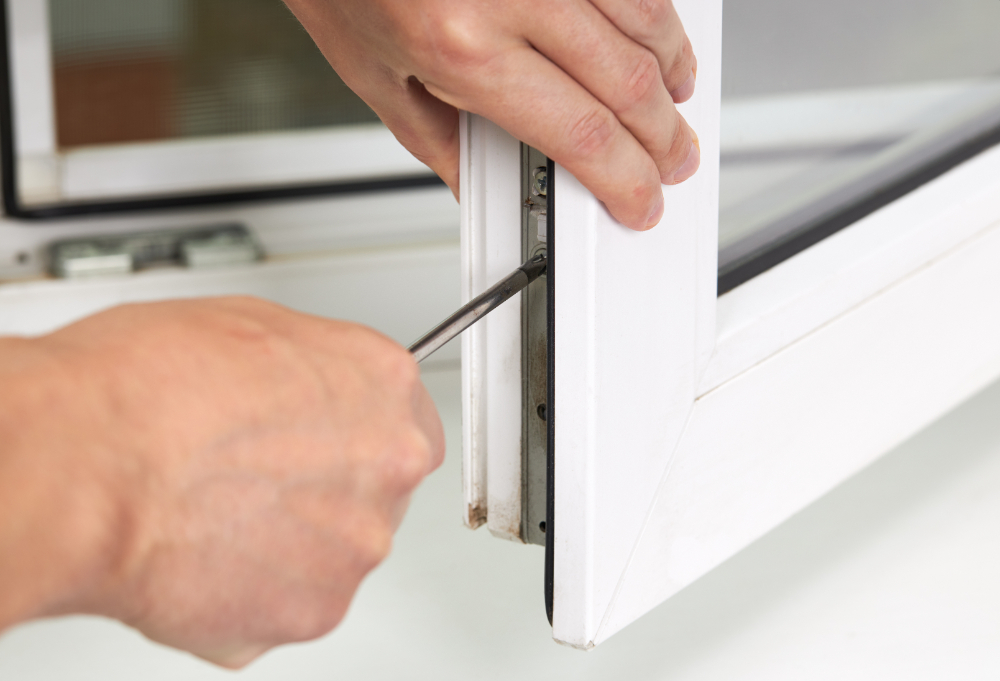
How to Inspect Windows for Damage After Winter
March 11, 2026 3:48 pmWinter can be harsh on your home, and windows often bear the brunt of seasonal weather changes. As spring arrives and temperatures warm up, it is the perfect time to conduct a thorough inspection of your windows for any damage that may have occurred during the cold months. Winter window damage can range from minor cosmetic issues to serious structural problems that compromise your home’s energy efficiency and security. By learning how to properly inspect your windows and identify potential problems, you can address issues early before they become costly repairs. This comprehensive guide will help you understand what to look for during your spring window inspection and how to maintain your windows throughout the year.
Common Winter Window Damage
Winter weather creates unique challenges for window systems. Snow, ice, freezing temperatures, and dramatic temperature fluctuations can cause various types of damage to windows. One of the most common issues is seal failure, where the weatherstripping around window frames deteriorates due to repeated expansion and contraction caused by temperature changes. When seals fail, cold air seeps into your home, reducing energy efficiency and increasing heating costs.
Condensation between panes is another frequent winter problem. When the seal around double or triple-pane windows fails, moisture enters the space between the glass panels. This condensation can freeze and thaw repeatedly throughout winter, potentially leading to permanent fogging that cannot be cleaned. Ice dams on your roof can also cause water to back up and seep into window frames, leading to water damage and mold growth.
Glass damage during winter is also common. Thermal shock occurs when one part of the window glass is significantly colder than another part, causing stress that can result in cracks or chips. Falling ice or branches laden with snow can directly impact windows, creating cracks or breaks that need immediate attention. Understanding these potential issues helps you know exactly what to look for during your seasonal home maintenance routine.
Conducting Your Exterior Window Inspection
Start your spring window inspection by examining the exterior of each window carefully. Look at the window frame itself, checking for signs of rot, warping, or paint peeling. Wooden frames are particularly susceptible to water damage from winter moisture. If you press on the frame and the wood feels soft or spongy, this indicates rot that requires professional repair.
Examine the caulking around the window perimeter. Over winter, caulk can crack, shrink, or separate from the frame. Run your finger along the caulk line to feel for gaps or deterioration. If the caulk is damaged, water can enter the wall cavity, potentially causing serious structural damage. Make note of any caulk that needs replacement so you can address it before spring rains arrive.
Check the condition of the glazing putty on older single-pane windows. This putty holds the glass in place and should be smooth and intact. Hardened or missing putty needs replacement to prevent glass from becoming loose or falling out. Look at the exterior trim and flashing around each window as well. These components direct water away from the frame, and any damage can allow water infiltration.
Don’t forget to inspect window sills and the area directly below windows where water naturally accumulates. Look for staining, discoloration, or deposits that suggest water damage. Check that downspouts are directing water away from windows, as poor drainage can lead to moisture problems during spring thaws and rains.
Evaluating Interior Window Conditions
Interior inspection is equally important for detecting winter window damage. Open each window and operate it through its full range of motion, checking that it opens and closes smoothly without sticking or binding. Paint buildup or swelling from moisture can cause windows to stick. If a window is difficult to open, it may indicate frame warping or other structural issues.
Look at the interior sill and frame for signs of moisture damage, discoloration, or mold growth. These signs suggest water has been entering through gaps or failed seals. Pay special attention to corners where water tends to accumulate. Any visible mold requires immediate attention and may indicate serious moisture problems within the wall cavity.
Examine the condition of weatherstripping around the interior frame. This rubber or foam material should be intact and properly compressed. Damaged or missing weatherstripping allows drafts and reduces energy efficiency. If you can feel air coming around the window frame when you move your hand along it, the seal is compromised and needs repair.
Check the window glass itself for signs of condensation that persists even after wiping. Persistent moisture between panes indicates seal failure in insulated glass units. You should also look for any visible cracks, chips, or stress marks in the glass. Even small cracks can spread rapidly, especially with temperature fluctuations, and should be repaired promptly.
Window Repair Tips for Common Issues
Once you have identified damage during your inspection, knowing your repair options helps you make informed decisions. Minor caulk failures can be repaired by removing old caulk and applying new paintable caulk around window frames. This is a straightforward project that most homeowners can complete with basic tools.
For cracked glass, the type of repair depends on the crack’s size and location. Small cracks can sometimes be sealed with clear epoxy or resin to prevent further spreading, but cracks larger than a few inches typically require glass replacement. Contact a professional glass replacement service for larger damage to ensure proper installation and safety.
Weatherstripping replacement is another repair you may be able to handle yourself. Remove old weatherstripping carefully and clean the frame surface thoroughly before applying new adhesive-backed weatherstripping. Make sure the new weatherstripping creates a tight seal without preventing the window from closing properly.
For severe water damage, rotting frames, or seal failure on insulated glass units, professional help is recommended. A window contractor can assess whether repair or replacement is more cost effective and can ensure work meets building codes and warranties. Attempting complex repairs yourself may void manufacturer warranties or create safety issues.
Seasonal Home Maintenance and Prevention
Preventing winter window damage through regular maintenance is more cost effective than making repairs after damage occurs. Clean your windows regularly to remove salt, dirt, and debris that can damage seals and frames. In fall, apply a protective coating to wooden frames to help them resist moisture and weathering.
Ensure gutters and downspouts are clean and functioning properly so water drains away from your home’s foundation and walls. Poor drainage forces water toward windows where it can cause damage. Trim tree branches that hang over your roof so they cannot break windows or damage siding during winter storms.
Maintain proper indoor humidity levels during winter. Excessive indoor humidity increases condensation on windows and can lead to moisture problems in walls. Use exhaust fans in bathrooms and kitchens, and consider a dehumidifier if humidity levels are chronically high.
Apply fresh weatherstripping and caulk every few years as part of routine maintenance. This prevents small issues from becoming big problems. Check windows after major winter storms to catch damage early. Early detection and repair of small problems prevents them from worsening into expensive repairs.
Conclusion
A thorough spring window inspection is an essential part of seasonal home maintenance that protects your investment and comfort. By understanding common winter window damage patterns and knowing what to look for, you can identify problems early and take appropriate action. Whether you tackle minor repairs yourself or hire professionals for more complex issues, addressing winter window damage promptly prevents further deterioration and maintains your home’s energy efficiency and security. Make window inspection part of your annual home maintenance routine to keep your windows in excellent condition for years to come.
Need Custom Glass Near You?
Custom Glass & Screen has been servicing Twin Cities since 1975. We repair custom and insulated glass and screens for windows, doors, shelving, showers, mirrors, tabletops, fireplaces, storefronts, porches, and more. We are also a family-owned company associated with the NFID. We have a highly trained staff that is here to help with anything that you need, so stop in, email, or give us a call today!
Categorised in: Window Repair
This post was written by admin