

How Quality Glass Impacts Energy Efficiency in Your Home
February 23, 2026 2:16 pmUpgrading your home’s windows is one of the most effective ways to improve energy performance and reduce utility bills. While frame material, installation, and design all play important roles, the type and quality of glass used in windows can significantly affect how well your home retains heat in the winter and stays cool in the summer. Understanding how glass impacts energy efficiency can help homeowners make informed decisions that lead to long-term energy savings and increased comfort.
The Science Behind Energy Efficient Windows
Windows are essentially openings in your home’s thermal envelope. Without the right technology, they can be weak points where heat escapes in winter and enters during summer, causing HVAC systems to work harder. Quality glass is at the heart of modern energy efficient windows, designed to address these challenges with advanced materials and coatings.
Standard glass allows much of the sun’s heat and light to pass through. While this might be desirable during cold months, it can overheat interiors in the summer and contribute to inconsistent indoor temperatures. High-performance glass, on the other hand, includes features like Low-E (low emissivity) coatings, tints, and multiple panes filled with inert gases. These features work together to reduce the transfer of heat through the window, keeping your indoor environment more stable and reducing the load on your heating and cooling systems.
The Role of Insulated Glass Units (IGUs)
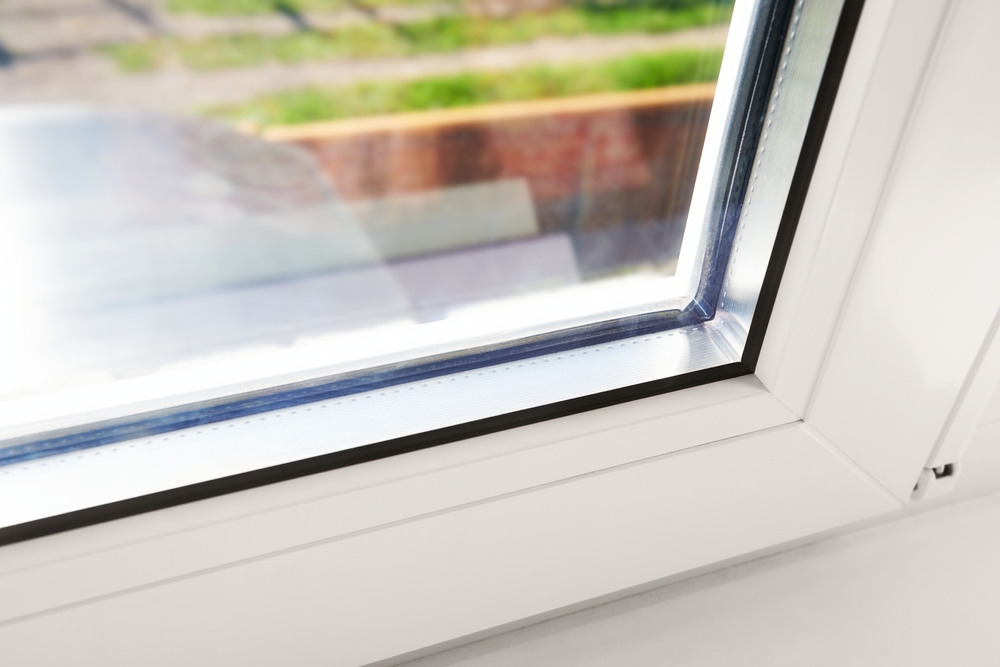
One of the most crucial developments in window technology is the insulated glass unit, often referred to as an IGU. These units consist of two or more panes of glass separated by a spacer and sealed to create an airspace in between. This space is often filled with a gas such as argon or krypton, which has a higher resistance to heat flow than air.
Insulated glass greatly enhances home efficiency by reducing conduction and preventing drafts. This construction traps indoor air and blocks external air more effectively, minimizing temperature fluctuations. With less reliance on heating or cooling equipment to maintain a comfortable temperature, homeowners can notice immediate energy savings on their utility bills.
Beyond thermal insulation, IGUs also offer benefits like reduced condensation, better soundproofing, and improved structural integrity of the window system. The combination of these features contributes not only to comfort and energy efficiency but also to overall home value.
Glass Coatings and Their Impact
Coatings applied to window glass play a vital role in managing the amount of sunlight and UV radiation that enters your home. One of the most popular coatings in energy efficient windows is the Low-E coating. This microscopically thin layer reflects infrared energy (or heat) while allowing visible light to pass through.
During winter, Low-E coatings reflect interior heat back into the room rather than letting it escape through the glass. In summer, they reflect exterior heat away from the home, reducing indoor temperature rise. Some coatings also help block UV rays that can fade furniture, flooring, and artwork.
Homeowners can select from various Low-E coatings depending on their climate zone and window orientation. For example, windows facing south or west may benefit from stronger solar control, while northern-facing windows might prioritize insulation. The ability to tailor glass performance to specific conditions makes it a highly effective tool for enhancing home efficiency.
Framing the Whole Picture: Glass and the Window System
While the glass itself is a major contributor to energy performance, it must work in harmony with the entire window system. A high-quality pane will not perform to its potential if paired with a poorly insulated frame or improper installation. That said, choosing the right glass sets the foundation for overall efficiency.
Double-pane windows with Low-E coatings and argon gas fills have become a standard for energy conscious homeowners. Triple-pane options are also available, offering even greater insulation and noise reduction, especially in colder climates. The combination of these technologies creates a formidable barrier against energy loss.
Moreover, the design and glazing of glass can be customized for aesthetic and functional purposes. For instance, tinted glass can add privacy and reduce glare, while reflective glass helps manage solar heat gain. Whether you are renovating a single room or replacing all windows in your home, selecting the appropriate glass ensures your investment pays off in energy savings and indoor comfort.
Long-Term Benefits and Return on Investment
The decision to upgrade to energy efficient windows can yield both immediate and long-term returns. Homeowners often experience noticeable reductions in their monthly energy bills, particularly when replacing older single-pane windows. Over time, these savings add up, helping offset the initial cost of installation.
In addition to monetary savings, insulated glass and other advanced window technologies contribute to better indoor air quality, reduced noise pollution, and enhanced resale value. Potential buyers increasingly prioritize energy efficiency when evaluating homes, making quality windows a marketable asset.
Environmental benefits are another important consideration. By lowering your home’s energy demand, you reduce your overall carbon footprint. This aligns with the broader movement toward sustainable living and environmental stewardship. Investing in better glass not only benefits your household but also supports a more energy-conscious community.
Conclusion
The glass used in your windows has a profound effect on how efficiently your home uses energy. From insulated glass units and Low-E coatings to multi-pane constructions and gas fills, modern window technology offers powerful tools for improving comfort and reducing utility costs. Choosing energy efficient windows is more than just a design upgrade: it is a strategic decision with lasting benefits for your finances, your living environment, and the planet. Whether you are building a new home or upgrading an existing one, prioritizing high-quality glass will put you on the path to greater home efficiency and long-term energy savings.
Need Custom Glass Near You?
Custom Glass & Screen has been servicing Twin Cities since 1975. We repair custom and insulated glass and screens for windows, doors, shelving, showers, mirrors, tabletops, fireplaces, storefronts, porches, and more. We are also a family-owned company associated with the NFID. We have a highly trained staff that is here to help with anything that you need, so stop in, email, or give us a call today!
Categorised in: Residential Windows
This post was written by admin